

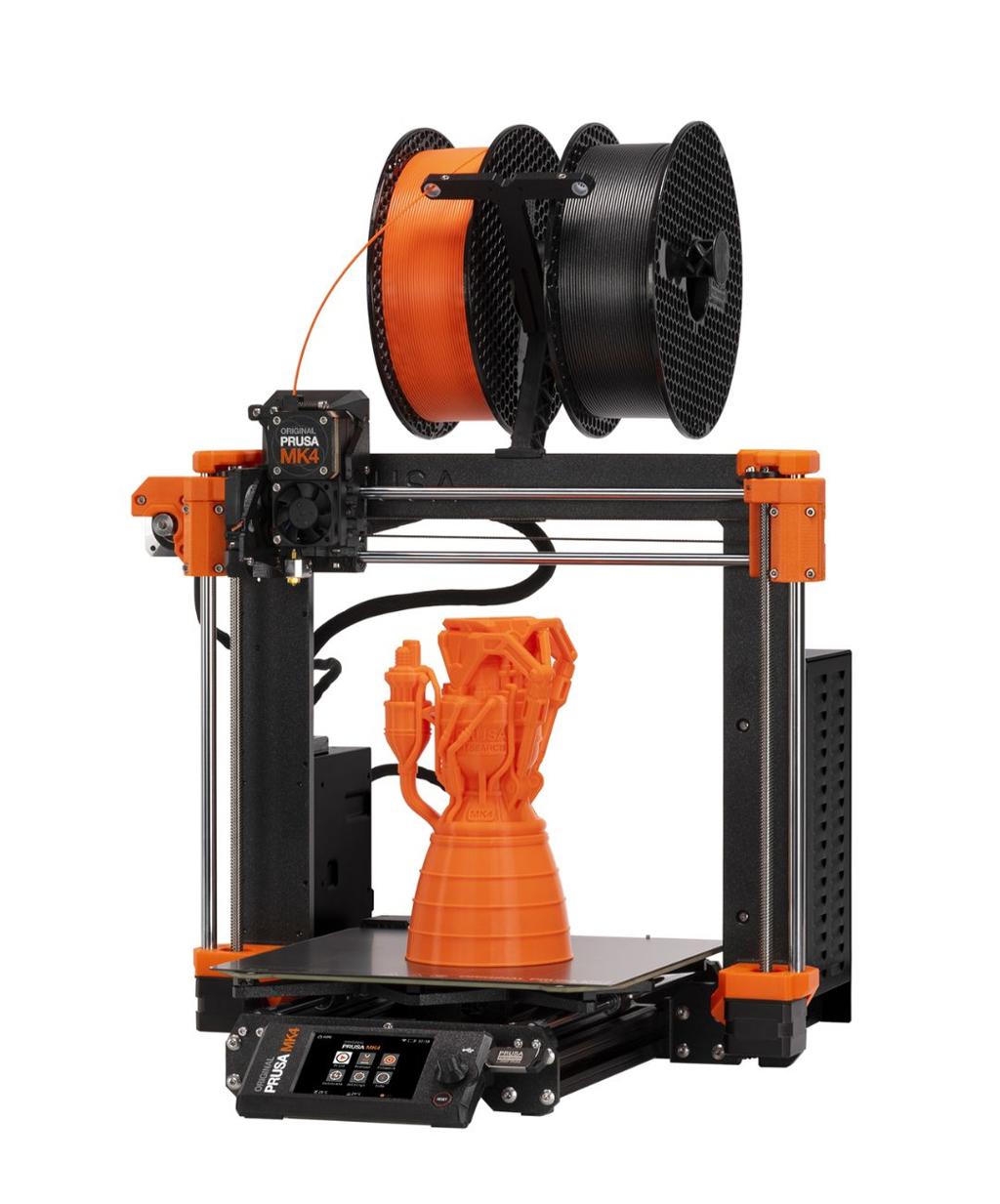
Getting started with 3D printing has never been easier.
Modern printers offer automatic bed leveling, touchscreen interfaces, Wi-Fi connectivity, and impressive print quality right out of the box.
Yet many beginners still face an important decision:
Should you buy a closed ecosystem printer or an open-source 3D printer?
At first glance, a closed ecosystem may seem simpler. However, many new users eventually discover limitations when they want to:
- Upgrade hardware
- Modify firmware
- Replace components
- Experiment with new features
- Learn how their machine actually works
This is where open-source 3D printers become incredibly attractive.
Unlike proprietary systems, open-source printers provide more flexibility, greater customization, and access to large communities of makers willing to share improvements and support.
In this guide, we’ll explore the best open source 3D printer for beginners, compare popular models, explain what features matter most, and help you choose the right machine for your first 3D printing journey.

Why Beginners Should Consider an Open Source 3D Printer
Many first-time buyers assume open-source printers are only for advanced users.
That was often true years ago.
Today, modern open-source printers are significantly easier to use thanks to:
- Automatic calibration
- Auto bed leveling
- Improved firmware
- Better documentation
- Active online communities
As a beginner, an open-source machine offers several advantages.
– Learn More About 3D Printing
Instead of being locked into a single ecosystem, you’ll gain a deeper understanding of:
- Hardware
- Firmware
- Slicers
- Filament settings
- Maintenance
This knowledge becomes valuable as your skills grow.
– Easier Upgrades
Many open-source printers support:
- Better hotends
- Faster cooling systems
- New extruders
- Camera systems
- Firmware enhancements
You can improve the printer over time rather than replacing it entirely.
– Strong Community Support
Popular open-source printers often have:
- Facebook groups
- Reddit communities
- Discord servers
- YouTube tutorials
- Printable upgrades
This can make troubleshooting much easier for beginners.

What Makes a Good Open Source 3D Printer for Beginners?
Before looking at specific recommendations, let’s identify the most important features.
– Easy Setup
A beginner-friendly machine should not require days of assembly.
Look for printers that arrive mostly assembled.
– Auto Bed Leveling
Manual bed leveling is one of the most common frustrations for new users.
Automatic leveling dramatically improves success rates.
– Reliable First Layers
Consistent first layers reduce failed prints and wasted filament.
– Active Community
A large community means:
- More tutorials
- More troubleshooting guides
- More printable upgrades
– Affordable Replacement Parts
Beginners inevitably make mistakes.
Having access to inexpensive replacement parts is extremely helpful.
Best Open Source 3D Printers for Beginners
1. Sovol SV06 ACE – Best Overall Open Source Printer for Beginners

If you’re looking for a beginner-friendly open-source printer that balances ease of use, modern features, and upgrade potential, the Sovol SV06 ACE is one of the strongest choices currently available.
Many beginners want a printer that:
- Works reliably
- Doesn’t require extensive assembly
- Can grow with their skills
The SV06 ACE checks those boxes.
Key advantages include:
- Automatic bed leveling
- Direct-drive extruder
- Modern Klipper-based workflow
- Beginner-friendly operation
- Open-source ecosystem
Unlike many entry-level printers that become limiting after a few months, the SV06 ACE provides room for experimentation and upgrades as your experience grows.
Best For
- Complete beginners
- Hobby makers
- Students
- Home users
Why It Stands Out
The biggest advantage is that it strikes a balance between simplicity and flexibility.
New users can start printing quickly while still having access to the benefits of an open-source ecosystem.
Check Current Deals
If you’re exploring beginner-friendly open-source printers, you can view current offers here:
2. Prusa MK4S
Prusa has built a reputation for reliability and community support.
Advantages include:
- Excellent documentation
- Large user base
- Proven track record
- Consistent print quality
However, the higher price point may place it outside some beginner budgets.
– Best For
- Users prioritizing reliability
- Educational environments
3. Ender 3 V3
The Ender series remains one of the most popular entry points into 3D printing.
Advantages include:
- Affordable pricing
- Huge community
- Abundant upgrades
The downside is that beginners may occasionally need to perform more maintenance and tuning compared to premium machines.
– Best For
- Budget-conscious users
- DIY enthusiasts
4. Elegoo Neptune 4
The Neptune 4 offers impressive value.
Features include:
- Fast printing
- Modern interface
- Competitive pricing
It’s particularly attractive for beginners wanting more speed without spending a premium.
5. Sovol SV08
Although larger and more advanced than most beginner printers, the SV08 deserves mention.

Many ambitious beginners quickly discover they want:
- Larger build volumes
- Faster printing
- More customization
The SV08 provides:
- Open-source flexibility
- CoreXY architecture
- Large-format printing
- Klipper firmware
For users who know they’ll eventually pursue larger projects, it may be a worthwhile long-term investment.

Buyer’s Guide: How to Choose the Best Open Source 3D Printer for Beginners
Choosing your first printer can feel overwhelming.
Here’s what matters most.
– Build Volume
Build volume determines how large your prints can be.
Typical beginner options include:
- 220×220×250 mm
- 250×250×250 mm
- 300×300×300 mm
Larger isn’t always better.
For most beginners, a standard-sized machine is easier to manage.
– Direct Drive vs Bowden
+ Direct Drive
Advantages:
- Better TPU printing
- Easier filament control
- Beginner-friendly
+ Bowden
Advantages:
- Lighter print head
- Lower manufacturing cost
For beginners, direct-drive systems are generally preferable.
– Auto Bed Leveling
This feature alone can dramatically improve the user experience.
A printer with reliable auto leveling reduces one of the most common causes of failed prints.
– Open Source Ecosystem
Ask yourself:
Will you eventually want to modify your printer?
If the answer is yes, prioritize machines with active open-source communities.
– Firmware Support
Modern firmware such as Klipper offers:
- Faster printing
- Better interfaces
- Advanced calibration features
Many newer open-source printers now include Klipper support out of the box.
Common Beginner Mistakes
Avoid these common errors.
– Buying Based Only on Price
The cheapest printer is rarely the best value.
Reliability and community support matter far more.
– Ignoring Upgrade Potential
A slightly better printer today may save you money later.
– Choosing a Printer That Is Too Advanced
Not every beginner needs a large CoreXY machine immediately.
Start with a printer that matches your goals.
– Using Low-Quality Filament
Good filament often solves many print-quality issues.

Frequently Asked Questions
– What is the best open source 3D printer for beginners?
For most beginners, the Sovol SV06 ACE offers one of the best balances of ease of use, modern features, and upgrade potential.
– Are open source 3D printers difficult to use?
Not anymore.
Modern open-source printers are significantly easier to operate than earlier generations thanks to automatic calibration and improved firmware.
– Is an open source printer better than a closed ecosystem?
It depends on your goals.
Open-source printers generally offer greater flexibility, customization, and learning opportunities.
– Should beginners choose Klipper?
Yes.
Klipper provides advanced functionality while remaining increasingly beginner-friendly on modern machines.
– What size printer should a beginner buy?
A standard build volume around 220–250 mm is sufficient for most first-time users.
– Is the Sovol SV06 ACE good for beginners?
Yes.
Its combination of ease of use, open-source flexibility, direct-drive extrusion, and modern automation makes it particularly beginner-friendly.
– Is the Sovol SV08 suitable for beginners?
Ambitious beginners can absolutely use the SV08, especially if they plan to print larger projects and want room to grow.
Final Verdict
The best open source 3D printer for beginners should be easy to use today while still providing room to grow tomorrow.
Many beginners eventually become hobbyists, makers, and advanced users.
Choosing an open-source platform from the start often makes that transition easier.
For most new users, the Sovol SV06 ACE stands out as one of the strongest choices because it combines:
- Beginner-friendly setup
- Auto bed leveling
- Direct-drive extrusion
- Modern firmware
- Upgrade potential
- Open-source flexibility
Meanwhile, users interested in larger projects and long-term customization may also want to consider the Sovol SV08.
If you’d like to explore current pricing, promotions, and bundle offers, visit:
An open-source printer doesn’t just help you create objects—it helps you learn, experiment, and become part of one of the most innovative maker communities in the world.
